

Mesothelioma Disease
Mesothelioma, a form of cancer, develops when asbestos fibers enter the body. These fibres can get into the lungs, irritate the lining of the chest cavity (pleura) and lead to tumours.
Mesothelioma is also caused by asbestos fibers within the digestive tract. The majority of people who develop mesothelioma have an asbestos-related history in their family.
Symptoms
The mesothelium lining the organs inside is where cancerous cells grow. Pleural mesothelioma is a disease that affects the wall (pleura) of the chest cavity. Other mesothelioma types include peritoneal mesothelioma, pericardial mesothelioma and testicular cancer. Mesothelioma symptoms may be similar to symptoms of other illnesses and cancers, making it difficult to recognize. As a result, asbestos sufferers are often misdiagnosed.
Asbestos exposure may cause mesothelioma. However, the exact cause is not known. Asbestos fibers can be inhaled or swallowed during work activities such as mining, renovation of buildings, manufacturing, vehicle and maintenance on ships. Once inside the body, asbestos fibers can cause irritation to mesothelial cells and cause DNA damage. This can lead to mesothelioma, and tumor growth in the course of time.
A person's risk for mesothelioma is greatly increased by their occupational history. Individuals who have worked in the mining, construction, manufacturing transport, energy or transportation sectors are at most risk of developing this disease. People who have been in the military, or other national defense occupations, are also at risk. Asbestos exposure at home, or even as a bystander can put people at risk.
The biggest risk factor for mesothelioma is genetic predisposition and level of asbestos exposure. The kind of asbestos, the amount of time a person was exposed to asbestos, and where asbestos was found are all crucial factors that can affect the risk of mesothelioma for a person.
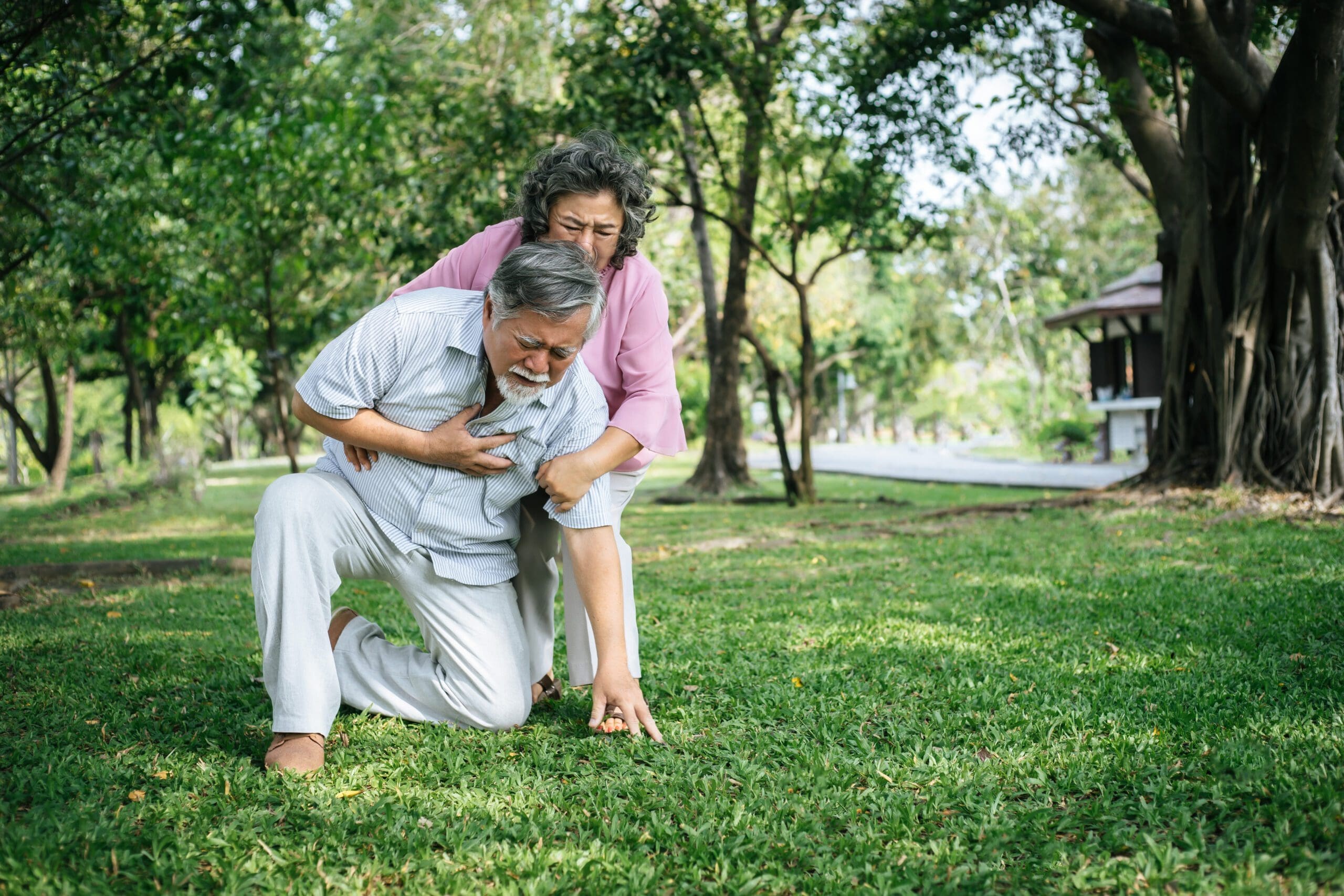
The primary symptoms of mesothelioma include difficulty breathing, coughing, abdominal pain and the buildup of fluid in the lung. The most prevalent mesothelioma that affects the lining of lungs (pleura), is mesothelioma of the pleural region. The other mesothelioma types such as pericardial, peritoneal, and testicular -- affect different areas of the body. The symptoms of mesothelioma vary depending on the location and the severity. Patients suffering from mesothelioma are typically referred by their doctors to specialists like radiologists and oncologists who can detect and determine the best treatment. Mesothelioma can take up to 50 years to manifest symptoms and a lot of asbestos patients do not seek medical attention until their condition has advanced.
Diagnosis
The symptoms of mesothelioma can be similar to common illnesses such as bronchitis or pneumonia. This is why mesothelioma diagnosis is only possible after other health issues have been eliminated. Following this, mesothelioma may be identified using a variety of tests.
Malignant mesothelioma can affect the mesothelium which is the thin lining which surrounds certain organs. The symptoms of mesothelioma can include chest pain, shortness of breath and fluid buildup in the chest or abdomen. The mesothelioma cancer can manifest in the lining of the abdominal cavity or in the lungs. The primary reason for mesothelioma is asbestos exposure. Most people diagnosed with the disease were exposed to asbestos at work.
The first step to mesothelioma diagnosis is to undergo a physical exam. At this point doctors will inquire about your symptoms and history of exposure to asbestos. A doctor will also check your symptoms to determine how they are.
If a mesothelioma physician suspects you may have the condition, they'll order imaging scans. These tests can detect abnormalities in the heart and lung structures and can also detect effusion or pleural fluid accumulation. CT scans and MRIs are both types of electromagnetic imaging that make use of radio waves and magnetic fields to create images of the human body.
A mesothelioma specialist needs to take tissue samples after these tests are completed to provide a more precise diagnosis. The biopsy will be analyzed under a microscope to identify the mesothelioma cells type and stage.
Financial and physical stress are common for those undergoing mesothelioma treatment. There are many programs and services that can help ease the financial burden. A lot of these resources are offered at no cost or at a reduced cost to victims and their families.
If you've been diagnosed with mesothelioma, it is crucial to seek legal advice as soon as you can. You may be entitled compensation from the company who exposed you to asbestos. Workers compensation laws or trust funds may be capable of providing financial assistance to cover medical expenses and other costs related to the disease.
Treatment
The mesothelium cancer is a rare one that can develop in different areas of the body. It usually affects the lining of the chest (pleura), but can also occur in the abdomen's lining (peritoneum) or the tissue surrounding the testicles (tunica vaginalis). It takes a long amount of time for mesothelioma develop. The symptoms usually don't show until decades after asbestos exposure.
Mesothelioma is often difficult to identify because the symptoms are similar to those of other diseases and may take an extended time to manifest. The symptoms include breathlessness, chest pain, and fluid build-up can sometimes be mistaken for asthma, lung infections or heart issues.
A biopsy is the only way to detect Mesothelioma. A biopsy involves inserting an needle into the skin in order to remove tissues for analysis under a microscope. A specialist mesothelioma physician or nurse might be referred by GPs to people who have mesothelioma-related symptoms. A specialist will look for tumours and identify the type of mesothelioma that will assist with the treatment plan.
There is what causes mesothelioma other than asbestos recommended for mesothelioma. However, GPs may recommend tests to evaluate general health, including blood pressure and lung function as well as temperature. If you have been exposed to asbestos at work, it is important to tell your GP about your previous jobs or any symptoms that could be related to mesothelioma, such as weight loss, appetite loss, coughing or digestive problems.
A variety of imaging scans can help identify potential tumours like X-rays, PET and CT scans. A biopsy is required to confirm mesothelioma, and determine the type of cancerous cells.
There is no cure for mesothelioma and most people with mesothelioma die from the cancer. There are a variety of options to manage symptoms and extend the life time. These include surgery, chemotherapy, and radiation therapy. The mesothelioma type and how far the tumors have spread will determine the best treatment option.
Prognosis
The disease is difficult to identify, which makes the prognosis for mesothelioma bleak. The signs of asbestos exposure typically do not manifest until years after the person has been exposed to the toxic material. It was utilized in manufacturing and construction before scientists discovered its dangers. The tiny fibers can penetrate the tissue lining of the body and bloodstream and cause scarring over time. The cells mutate due to the scar tissue, and mesothelioma tumors develop.
The symptoms of mesothelioma can be similar to those of less serious illnesses such as pneumonia or the flu. These symptoms, in conjunction with the mesothelioma's long latency (between 10 and 50 years) could lead to an incorrect diagnosis. Mesothelioma, a type of cancer, can affect the pericardium or the pleura or peritoneum. Each mesothelioma type is distinct and has its own symptoms. Currently, doctors have no satisfactory screening test for mesothelioma. However, they can use imaging scans such as X-rays, CT scans and MRIs to help identify lumps and swelling. These tests are typically followed by a biopsy, which uses an instrument to take an in-situ sample of tissue to be examined under a microscope.
In the United States, the vast majority of mesothelioma cases are linked to exposure to asbestos. Asbestos is a group of minerals that contain microscopic fibers. It is tough, resistant to fire and chemicals, and isn't able to conduct electricity. It was mined and used in the manufacturing of many consumer products as well as automobile parts and building materials before scientists discovered about its dangerous health effects.
Exposure to asbestos could cause mesothelioma through lung irritation and scarring. Workers may also breathe in the microscopic fibres or ingest them, and they can move into the bloodstream. The majority of patients develop mesothelioma because of direct exposure while at work. However, individuals in indirect exposure situations have also developed the condition. This includes family members and loved ones of veterans who were exposed to asbestos due to the military's extensive use of asbestos. Mesothelioma is usually diagnosed by coughing, chest discomfort and swelling. The symptoms are usually followed by a diagnosis and treatment plan for mesothelioma.